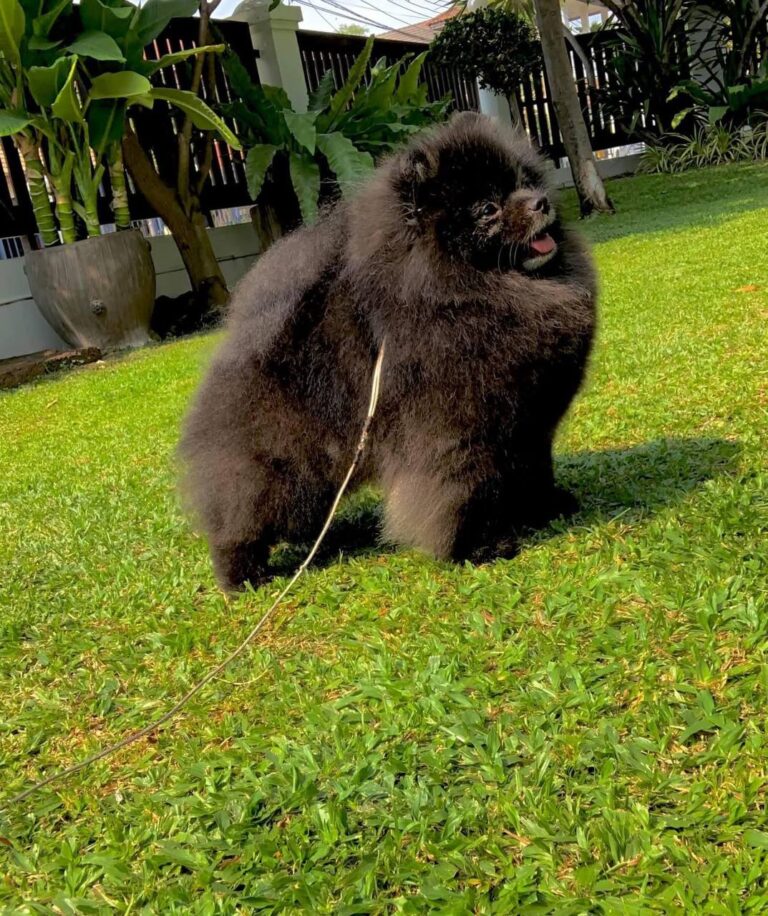
Pomeranian Afraid of Loud Noises: Signs and How to Help
Many Pomeranian owners have seen their dog shake, hide under the bed, or bark nonstop when they hear fireworks, thunder, a vacuum cleaner, or a loud motorcycle. This isn’t bad behavior — it’s genuine fear that needs to be understood and handled correctly.
In over ten years working with Poms at our kennel in Ho Chi Minh City, I’ve met many dogs with different temperaments — from confident ones to those highly sensitive to sound. This article will help you recognize anxiety signs, understand the causes, and learn how to help your Pomeranian feel safer.
Why Are Pomeranians Afraid of Loud Noises?
Pomeranians fear loud noises because sudden, intense, or unpredictable sounds are hard to understand or impossible to escape. Fireworks and thunder are especially frightening because they combine loud bangs with vibrations, flashing lights, and changes in air pressure.
Some Poms are sensitive to sound due to genetics and inborn temperament. Others develop fear after a frightening experience, or because they weren’t gradually introduced to everyday sounds during puppyhood. This is why the socialization window from 8 to 16 weeks is so important.
Sound sensitivity can also increase with age. An older Pomeranian dealing with pain, hearing loss, poor vision, or cognitive decline may react differently to sounds that never bothered them before.
Poms can also learn to predict scary noises. For example, weather changes may trigger anxiety before thunder starts, while holiday preparations may become linked with upcoming fireworks.

What Sounds Commonly Frighten Pomeranians?
Pomeranians can fear any sound they perceive as sudden, intense, or unfamiliar. A noise one dog ignores may cause another to shake, bark, hide, or try to run away.
Sounds that commonly frighten Pomeranians include:
- Fireworks and firecrackers
- Thunder
- Vacuum cleaners
- Hair dryers during grooming
- Lawn mowers and yard equipment
- Motorcycles, trucks, and car horns
- Drills and power tools
- Smoke alarms and home security systems
- Doors slamming
- Kitchen appliances
- Loud music or TV
- Shouting and sudden household commotion
- Balloons popping
Some Poms react not just to sound but also to vibrations, flashing lights, or changes in air pressure. This explains why playing recorded sounds may not produce the same reaction as a real thunderstorm.
Watch your dog’s behavior closely and note which sounds, locations, and circumstances trigger fear. Identifying the exact triggers will help you create an appropriate management and training plan.
Signs of Anxiety in Pomeranians
Anxiety signs in Pomeranians can be obvious or very subtle. Recognizing early signs helps you remove your dog from the trigger or provide support before fear escalates into panic.
Common anxiety symptoms in Pomeranians:
- Shaking or trembling
- Panting when not hot
- Pacing or inability to settle
- Hiding or trying to escape
- Clinging to owner
- Whining, barking, or howling
- Drooling, yawning, or lip licking repeatedly
- Ears pinned back
- Tail tucked
- Refusing food or treats
- Sudden indoor accidents
- Scratching at doors or windows
- Destructive behavior
- Becoming unusually quiet or withdrawn
- Growling, snapping, or defensive behavior
A frightened Pom may freeze instead of barking or running. A dog lying very still, turning away, or refusing food may be experiencing significant stress.
Severe anxiety can cause frantic escape attempts and unintentional injury. Move your Pom to a safe area and contact your veterinarian if fear is intense, recurring, or getting worse.

Why Is My Pomeranian Suddenly Scared and Shaking?
A Pomeranian suddenly scared and shaking may have heard, felt, or smelled something not obvious to you. Distant thunder, fireworks, construction, alarms, and faint vibrations can frighten dogs before owners notice the trigger.
However, shaking can also indicate cold, pain, illness, nausea, injury, poisoning, or low blood sugar. Don’t automatically assume it’s anxiety, especially if the behavior starts suddenly without a clear frightening event.
Look for other symptoms like weakness, vomiting, diarrhea, loss of appetite, difficulty breathing, loss of balance, collapse, or signs of pain. Contact your veterinarian immediately if any of these symptoms are present or if shaking continues after the suspected noise has stopped.
If the cause is likely fear, move your Pom to a quiet, safe indoor area and stay calm. Close curtains and windows, reduce outside noise with music or TV, and allow your dog to choose whether to hide or stay near you. Never punish a frightened Pomeranian or force them closer to the sound source.
How to Calm a Pomeranian During Fireworks
Fireworks can cause intense anxiety because of loud bangs, flashing lights, and large unpredictable vibrations. Prepare your home before fireworks begin rather than waiting until your Pomeranian is already frightened.
Fireworks and Thunderstorm Preparation Checklist
- Bring your Pomeranian indoors before noise starts
- Let your dog potty before expected fireworks
- Close and lock all doors, windows, and pet doors
- Close curtains or blinds to reduce flashing lights
- Use TV, music, fans, or white noise to mask outside sounds
- Prepare a comfortable hiding spot with familiar blankets
- Allow your Pom to hide rather than forcing them out
- Stay nearby and offer calm comfort if your dog seeks it
- Provide favorite toys or food-based activities if your dog is willing to engage
- Never leave a frightened Pomeranian outside alone
- Never restrain a panicking dog with a collar or leash
- Check that ID tags and microchip information are current
Plan ahead: If your Pomeranian has panicked during previous fireworks or storms, talk to your veterinarian before the next event. Some treatments must be given before fear becomes severe.
Avoid taking your Pomeranian to fireworks displays, even if you plan to hold them. A small frightened dog can wriggle free, bolt, or get injured.
During the event, focus on keeping your Pom as safe and comfortable as possible. Training for noise desensitization should be done separately when your dog is calm, not while fireworks are going off.

Should I Comfort My Pomeranian When Scared?
Yes, you can comfort a frightened Pomeranian. Fear is an emotional response, not misbehavior, and calm reassurance will not teach your dog to be afraid.
If your Pom comes to you, you can sit nearby, speak softly, or pet gently. If your dog prefers to hide, let them stay in their safe spot rather than pulling them out or forcing interaction.
Keep your own behavior calm and predictable. Avoid overly frantic attention, but don’t deliberately ignore a distressed Pomeranian because you were told that comfort will reinforce fear. Never scold, punish, or use physical corrections. These reactions can make the frightening event feel more threatening and may damage your dog’s trust.
Comfort can help in the immediate event, but it doesn’t replace a long-term plan. A Pom with recurring or severe noise anxiety may need gradual training, environmental management, and support from a veterinarian.
How to Create a Safe Space for an Anxious Pomeranian
Choose a quiet indoor area away from windows and outside noise. Add your Pomeranian’s bed, blankets, water, and familiar toys, then use curtains and soft background sound to reduce flashes and bangs.
Allow your Pom to enter and leave freely. A crate can be used only if your dog already views it as a comfortable resting place. Never confine a panicking Pomeranian inside an unfamiliar space.
Introduce the safe area during calm times and reward your dog for relaxing there. This helps create positive associations before fireworks or storms occur.
Gradual Desensitization to Loud Noises for Pomeranians
Start with a recording of the frightening sound played so quietly that your Pomeranian notices but stays relaxed. Pair the sound with favorite treats, toys, or calm activities. Increase volume very gradually over many sessions.
If your Pom shakes, hides, pants, barks, or refuses food, the sound is too loud. Reduce immediately and return to an easier level. Keep sessions short and work at your dog’s pace. Never use real fireworks or real loud noises during training.
This desensitization process takes time and patience — it may last several weeks to several months depending on your dog’s sensitivity. At our kennel, I often recommend owners start this training when the dog is young and during periods without fireworks or storms.
When to Take Your Pomeranian to the Veterinarian
Take your Pomeranian to the veterinarian if noise fear is severe, recurring, or getting worse. Your vet can rule out medical issues like pain, ear infections, or age-related changes that may contribute to anxiety.
If your Pom panics, attempts frantic escape, injures themselves, or cannot calm down for hours, professional intervention is needed. Your veterinarian can suggest a plan combining environmental management, behavior modification, and appropriate medication if necessary.
For complex cases, your vet may refer you to a veterinary behaviorist to build a personalized training program.
If your Pomeranian suddenly becomes afraid of sounds that never caused problems before, schedule an exam to rule out medical causes before assuming it’s purely anxiety.
Fear of loud noises is a common problem in Pomeranians, but with proper understanding, careful preparation, and appropriate support, you can help your dog feel safer. If you need additional advice about Pom temperament and care, feel free to chat with us on WhatsApp for detailed support.